

Knee arthritis is one of the most common joint problems affecting people across all age groups, especially older adults. When pain, stiffness, and swelling begin to interfere with daily activities, the first thing people search for is Knee arthritis treatment. Understanding the condition, recognizing symptoms, and choosing the right treatment can help patients regain mobility and improve their quality of life. This detailed guide explains everything about effective Knee arthritis treatment, from early interventions to advanced medical options.
Understanding the Condition Before Starting Knee Arthritis Treatment
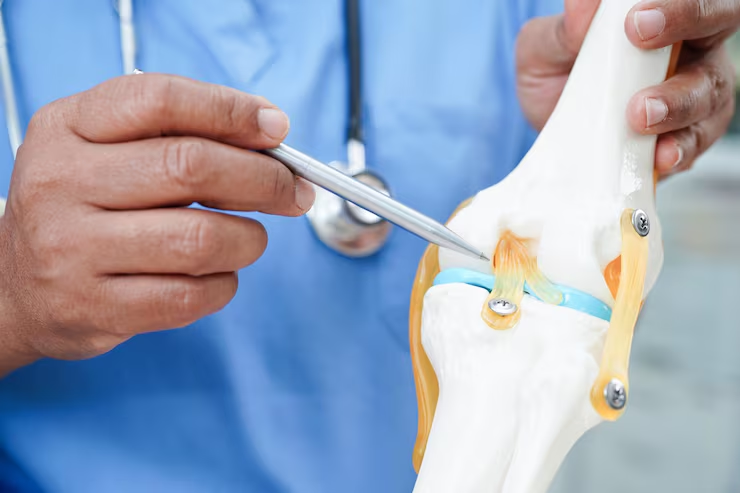
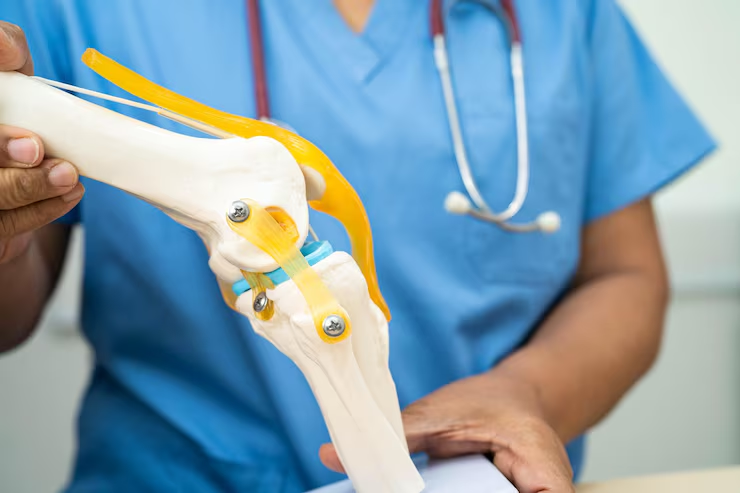
Before beginning any form of Knee arthritis treatment, it is important to understand what arthritis truly is. Arthritis occurs when the cartilage that cushions the knee joint wears down due to age, injury, or inflammation. This causes bones to rub against each other, leading to stiffness and swelling. The three most common types of knee arthritis include osteoarthritis, rheumatoid arthritis, and post-traumatic arthritis. Proper diagnosis ensures the right treatment, making recovery easier and more effective.
Common Symptoms That Require Immediate Knee Arthritis Treatment
The first signs of knee arthritis include discomfort while walking, mild swelling, and reduced movement. As the condition progresses, patients may also experience pain during rest, joint grinding, and difficulty climbing stairs. When these symptoms persist, individuals must seek help without delay. Early detection can slow down disease progression, reduce long-term complications, and help patients avoid invasive procedures.
Importance of Early Diagnosis for Effective Knee Arthritis Treatment
Timely diagnosis plays a huge role in successful Doctors usually perform X-rays, MRIs, and physical examinations to determine the severity of joint damage. In some cases, blood tests are also recommended to rule out autoimmune arthritis. Once the condition is identified early, tailored plans can significantly improve mobility and reduce pain.
Non-Surgical Options for Knee Arthritis Treatment
Most patients prefer noninvasive, especially during the early stages. These methods are effective and help delay further joint deterioration.
1. Physiotherapy as an Essential Part of Knee Arthritis Treatment
Physiotherapy is one of the most recommended non-surgical methods for strengthening exercises that help support knee joints, improve flexibility, and reduce pain. Therapists design personalized exercise plans that target muscles around the knee, such as hamstrings, quadriceps, and calves.
2. Lifestyle Modifications to Boost Knee Arthritis Treatment
Simple lifestyle changes can make a major difference in Maintaining a healthy weight reduces pressure on the knees, while low-impact activities like swimming and cycling promote joint health without strain. Patients are also encouraged to avoid standing for long hours and to use supportive footwear.
3. Medications Used in Knee Arthritis Treatment
Doctors may prescribe anti-inflammatory drugs, pain relievers, and supplements such as glucosamine or chondroitin as part of These medications help control inflammation and make movement easier. However, they must be used under medical supervision.
4. Heat and Cold Therapy in Knee Arthritis Treatment
Applying heat improves blood circulation and relaxes muscles, whereas cold packs reduce swelling and numb pain. Both techniques are proven to be supportive additions
Advanced Medical Options for Knee Arthritis Treatment
When symptoms become severe or do not improve with basic care, patients may require advanced options.
1. Injection Therapies for Knee Arthritis Treatment
Different types of injections are used in modern
- Corticosteroid injections to reduce inflammation
- Hyaluronic acid injections to lubricate the joint
- Platelet-rich plasma (PRP) injections to promote healing
These treatments offer relief that lasts for months and significantly improve movement.
2. Minimally Invasive Procedures Used in Knee Arthritis Treatment
Arthroscopy is a minimally invasive procedure recommended as part of to remove damaged tissue and smooth bone surfaces. It is useful for patients with mild to moderate arthritis and helps delay the need for major surgery.
Surgical Options for Knee Arthritis Treatment
If pain becomes unbearable or joint damage is too advanced, surgery may be the best option.
1. Partial Knee Replacement for Knee Arthritis
In this procedure, only the damaged part of the knee is replaced. This form is beneficial for patients with arthritis limited to one knee compartment.
2. Total Knee Replacement as an Effective Knee Arthritis
When the entire knee joint is severely damaged, a total knee replacement is recommended. This is one of the most successful surgeries, providing long-lasting relief and restoring mobility. Modern implants are durable and allow patients to resume daily activities comfortably.
Role of Diet and Supplements in Knee Arthritis
Nutrition plays a significant role in natural anti-inflammatory foods such as turmeric, ginger, walnuts, olive oil, and leafy greens help reduce joint inflammation. Omega-3 fatty acids, collagen supplements, and vitamin D are often recommended by doctors to support joint health. A balanced diet strengthens.
Exercises That Support Knee Arthritis
Regular exercise is crucial for successful low-impact workouts such as yoga, stretching exercises, and water aerobics, which keep joints flexible and improve muscle strength. Strength training prevents the joint from deteriorating further, while mobility exercises ensure smooth movement. These exercises must be performed under expert guidance for safe and effective
Preventive Measures to Reduce the Need for Knee Arthritis
Small daily habits can help prevent arthritis and reduce the need for long-term Maintaining a healthy weight, avoiding sudden knee twists, warming up before exercise, and using proper posture during activities can protect knee joints. Regular checkups also ensure early detection and timely care.
Conclusion
Knee arthritis can affect mobility and quality of life, but the right treatment can make a remarkable difference. From simple lifestyle changes to advanced medical procedures, there are multiple options available for every stage of arthritis. Consulting an experienced orthopedic specialist ensures proper diagnosis, personalized treatment, and long-term relief. With the correct treatment, patients can regain confidence, stay active, and enjoy a pain-free life.