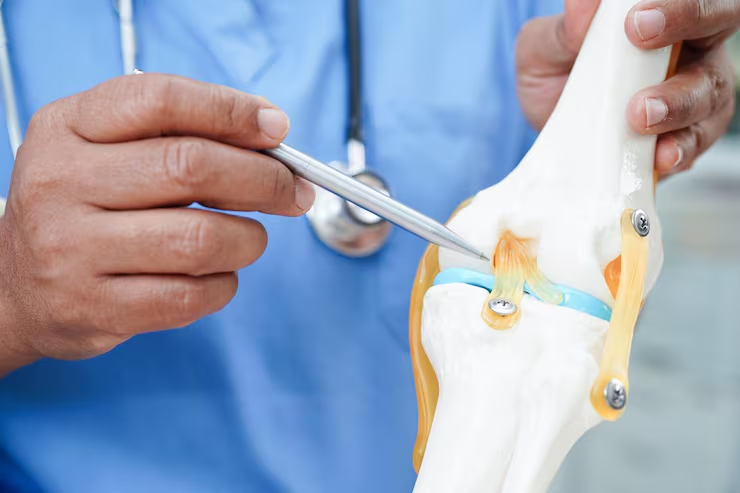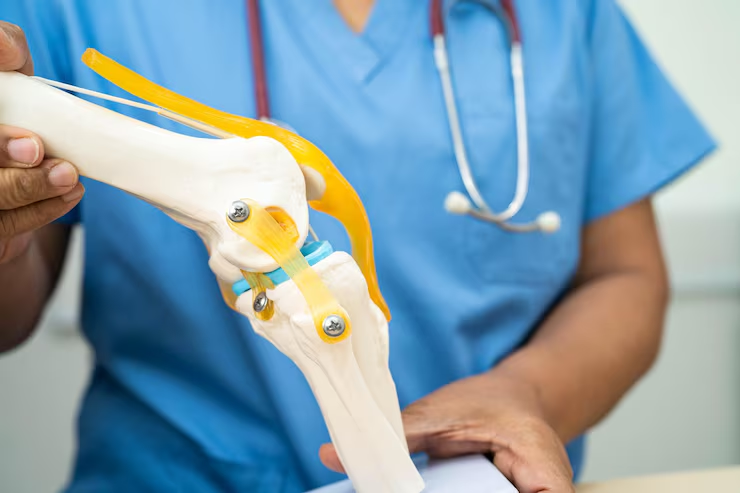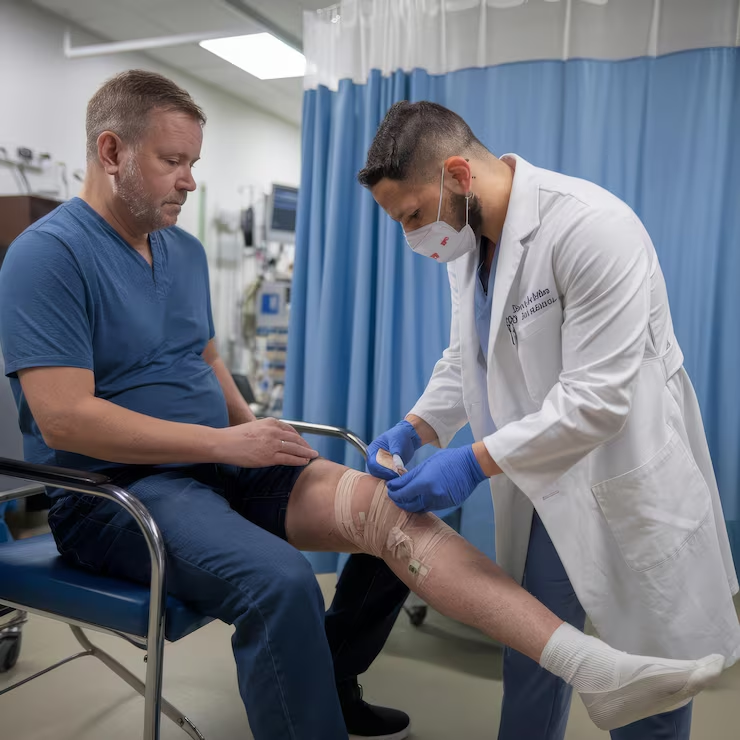

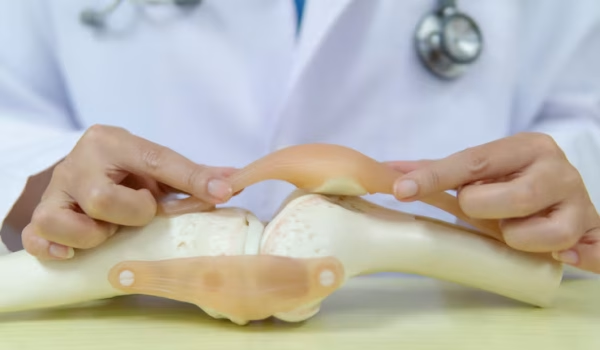
Keyhole surgery in orthopaedics has transformed the way doctors diagnose and treat bone, joint, and ligament problems. Unlike traditional open surgeries that require large incisions, keyhole surgery in orthopaedics relies on tiny cuts, advanced cameras, and specialised tools. This approach helps patients recover faster, experience less pain, and get back to their normal lives more quickly. As awareness grows, keyhole surgery orthopaedics is becoming the preferred treatment option for many orthopaedic conditions.
What Is Keyhole Surgery Orthopaedics?
Keyhole surgery orthopaedics, also known as arthroscopy or minimally invasive orthopaedic surgery, is a procedure in which surgeons operate through very small incisions. A thin tube with a camera (arthroscope) and microsurgical tools is used to repair damaged tissues. Keyhole surgery in orthopaedics gives doctors a clear view of the joint without the need for large cuts, making the procedure safer and more comfortable for patients.
Why Keyhole Surgery Is Becoming So Popular
Keyhole surgery orthopaedics is rapidly gaining popularity because of its minimally invasive nature and excellent outcomes. Patients today want treatments that offer quick recovery, lower risks, and minimal scarring. Keyhole surgery orthopaedics provides exactly that. Hospitals and orthopedic specialists are increasingly recommending this method due to its precision and reduced complication rates.
Conditions Treated Through Keyhole Surgery
Many bone and joint issues can be treated using keyhole surgery in orthopaedics. This approach is especially effective for sports injuries, chronic joint pain, and ligament problems. Conditions commonly managed through keyhole surgery in orthopaedics include:
- Torn ligaments, such as ACL injuries
- Meniscus tears
- Rotator cuff injuries
- Shoulder dislocations
- Cartilage damage
- Joint inflammation
- Bone spurs
- Wrist, ankle, and elbow injuries
Because keyhole surgery orthopaedics is so versatile, it is now used in several areas, including knee, shoulder, hip, and ankle treatments.
How Keyhole Surgery Works
To understand keyhole surgery orthopedics, it’s important to know how the procedure is performed. First, the surgeon makes very small incisions—usually around 5–10 mm. A tiny camera is inserted, allowing the surgeon to see the joint on a screen. With the help of precise instruments, repairs are made without causing major trauma to surrounding tissues. Keyhole surgery in orthopaedics typically takes less time than traditional surgery and involves a lower risk of complications.
Benefits of Keyhole Surgery for Patients
There are many advantages of choosing keyhole surgery over conventional surgery. Some of the key benefits include:
- Smaller incisions: Reduced tissue damage
- Less pain: Faster pain relief and improved comfort
- Minimal scarring: More aesthetic healing
- Short hospital stay: Many patients go home the same day
- Quick recovery: Faster return to work, sports, and daily life
- Lower risk of infection: Small wounds reduce exposure
- High accuracy: Camera-guided procedures boost precision
Because of these benefits, keyhole surgery orthopaedics is becoming the top choice for patients seeking safer, quicker, and more efficient treatment.
Recovery After Keyhole Surgery
Recovery after keyhole surgery in orthopedics is generally faster and smoother compared to traditional open surgery. Most patients can start moving the operated joint within a few days. Physical therapy plays an important role in the recovery process, helping strengthen muscles and restore mobility. With proper care and guidance, patients who undergo keyhole surgery for orthopedics often return to normal activities sooner than expected.
Is Keyhole Surgery Safe?
Keyhole surgery in orthopaedics is considered extremely safe when performed by an experienced orthopaedic surgeon. Since the procedure uses small incisions, the chances of infection, blood loss, or complications are lower. However, like any surgery, keyhole surgery in orthopaedics may carry minimal risks such as swelling, stiffness, or temporary discomfort. Doctors ensure proper evaluation before recommending whether keyhole surgery in orthopaedics is suitable for a particular condition.
Keyhole Surgery vs. Traditional Open Surgery
When comparing keyhole surgery orthopaedics with open surgery, the differences are significant. Open surgeries require large cuts and longer healing times, while keyhole surgery in orthopaedics uses micro-incisions that minimize trauma. Recovery after open surgery may take weeks or months, whereas keyhole surgery allows patients to resume daily activities in a much shorter period. For many joint-related issues, keyhole surgery in orthopaedics offers better results with fewer complications.
Cost of Keyhole Surgery in India
The cost of keyhole surgery orthopaedics in India depends on factors such as the surgeon’s expertise, the hospital, the location, and the complexity of the condition. While the cost may be slightly higher than traditional surgery, the long-term benefits, such as reduced hospital stay, faster recovery, and fewer postoperative treatments, often make keyhole surgery orthopaedics more affordable overall. Most leading hospitals now offer packages to make keyhole surgery orthopaedics accessible for more patients.
Choosing the Right Specialist for Keyhole Surgery
Finding the right surgeon is essential for successful results in keyhole surgery in orthopaedics. Look for a specialist with extensive experience in arthroscopy, advanced equipment, and a strong track record of positive outcomes. A skilled orthopedic surgeon can guide you on whether keyhole surgery is the best option for your specific condition and ensure a smooth recovery journey.
Conclusion
Keyhole surgery orthopaedics is revolutionizing modern medical care with its precision, safety, and faster recovery. Whether it’s a sports injury, ligament tear, or joint damage, keyhole surgery orthopaedics offers a minimally invasive solution that delivers excellent results. With growing awareness and advanced technology, keyhole surgery orthopaedics is shaping the future of orthopaedic treatment and helping patients regain mobility with confidence.